Loading...
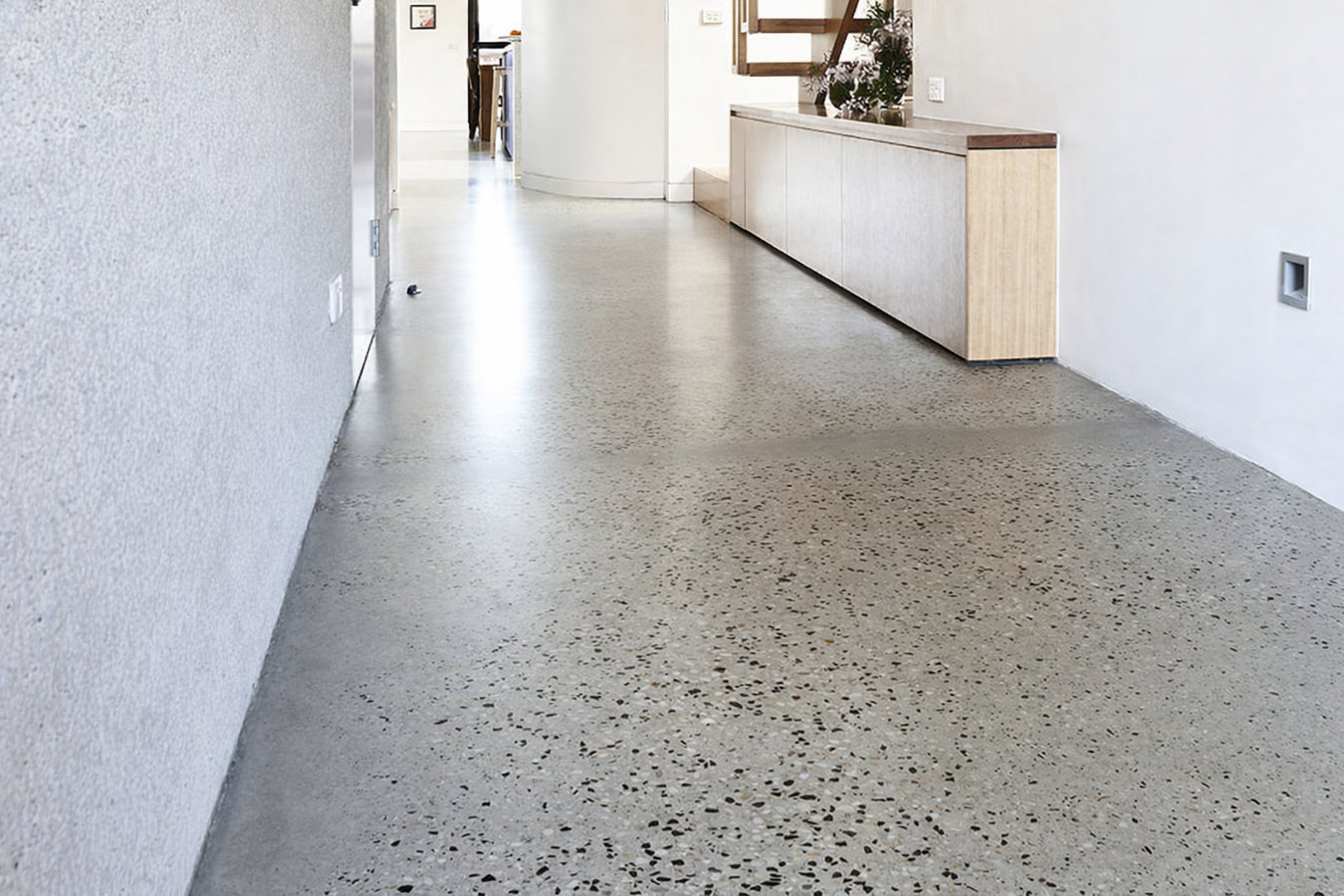
A cracked, uneven, or deteriorating floor does not have to stay that way - we pour new concrete floors for garages, basements, and utility spaces that hold up through Kansas winters.
Concrete floor installation in Manhattan starts with preparing the ground - grading the soil, compacting a gravel base, and laying a vapor barrier where moisture is a concern - then pouring a reinforced slab, finishing the surface, and cutting control joints to guide any future cracking. Most residential floor projects take one to three days of active work, and you can walk on the floor lightly within 24 to 48 hours of the pour.
Manhattan homeowners most often call us to replace a cracked garage slab, pour a basement floor that has been bare dirt or deteriorated concrete for years, or install a new utility slab for an outbuilding or workshop. If the floor is in a space you are planning to finish or furnish, getting the slab right first is the most important step - tile cracks, laminate buckles, and carpet shows every dip when the concrete underneath is not flat. If your project also involves an attached garage where the floor meets a vertical wall, our garage floor concrete service covers that scope in detail.
For larger outdoor slabs like patios or pool decks, our concrete pool decks service handles those projects with the same base preparation standards used indoors.
Hairline cracks are normal in any concrete floor. But when a crack is wide enough to catch your fingernail, or when you can see one side sitting higher than the other, the slab has shifted significantly. In Manhattan, this typically happens because the clay soil underneath has moved through repeated wet and dry cycles. Cracks that wide will not close on their own and will widen further with each freeze-thaw season.
If the top layer of your floor is peeling away in chunks or leaving a sandy, rough texture behind, the surface has started to break down from the inside out. This is common in Manhattan garages and basements that have been through many Kansas winters without a protective sealer - water works into the concrete, freezes, expands, and chips the surface apart. Once flaking starts, it tends to spread and is often more cost-effective to replace than patch.
A floor that holds puddles in certain spots has either settled unevenly or was never poured with the right slope. In a garage, this means standing water near your vehicles and tools. In a basement, it can mean moisture problems that damage stored belongings and create mold conditions over time. Uneven floors also create a tripping hazard that worsens as the settlement continues.
If a section of your floor sounds hollow when you tap it or feels slightly springy when you walk on it, the slab may have separated from the soil beneath it. This is a known issue in Manhattan-area homes where clay soil has dried and pulled away from the underside of the slab. A hollow slab is at greater risk of cracking under load, and it is worth getting a professional assessment before the problem gets worse.
We handle concrete floor installation from demo through final sealing. That means removing the old slab if there is one, grading and compacting the base, installing a vapor barrier for basement and ground-level floors, pouring and leveling the concrete, cutting control joints, and applying a sealer after curing. Finish options include broom finish for garages and utility areas - slightly rough for traction - or a smooth trowel finish for basements and interior spaces. If you want color or a more polished look, staining and sealing options are available. For homeowners who want to tie in a garage slab with the same project, our garage floor concrete service covers epoxy coatings and specialty finishes that hold up to vehicles and road salt.
For outdoor concrete floors like pool surrounds or covered patio slabs, our concrete pool decks work applies the same preparation standards - properly compacted base, correct slope for drainage, and a sealed surface built to handle Manhattan's temperature swings. Whether the floor is inside or outside, the prep work underneath it is what determines how long it holds up.
Best for homeowners with a cracked, flaking, or uneven garage floor that has reached the end of its useful life.
Best for homeowners finishing a basement or replacing a deteriorated slab, including vapor barrier installation for moisture control.
Best for workshops, sheds, storage buildings, or any accessory structure that needs a level, permanent floor.
Best for basements, laundry rooms, or any interior space where a sealed, stained, or polished surface is preferred over plain gray concrete.
Manhattan sits on clay-heavy soils throughout Riley County - soil that expands when it absorbs moisture and contracts when it dries out. That movement puts stress on any concrete slab from below, and it is the main reason why floors in the area crack or settle unevenly over time. A contractor who does not account for this will pour directly onto inadequately prepared ground, and the results show up within a few seasons. Proper base compaction and, in many cases, an additional gravel layer for drainage are the steps that actually protect your investment from what is happening underground. Homes near campus in the Aggieville area and older neighborhoods off Poyntz Avenue are especially common candidates for slab replacement because their original floors were poured decades before modern preparation standards.
Manhattan's freeze-thaw winters are the other major factor. The ground here can freeze 18 to 24 inches deep in a hard winter, and water that works into an unsealed floor surface freezes, expands, and chips the concrete from the inside out. We serve homeowners across the region, from Junction City to Salina, and we apply the same base and sealing standards to every project. The City of Manhattan Community Development department issues building permits for structural concrete work, and the Kansas Geological Survey documents the clay soil conditions that affect how we prepare every slab in this region.
We ask about the size of the space, what is there now, and what finish you want - then we schedule a free on-site visit to measure the area and assess the existing conditions. You will receive a written estimate that clearly lists what is included, with no surprise add-ons later. You will hear back within one business day of your inquiry.
Before work begins, we assess the ground conditions and determine what preparation is needed. If the project requires a building permit - common for structural concrete work in Manhattan - we pull it through the City of Manhattan Community Development department on your behalf. This step protects you legally and ensures the work is inspected and on record.
You clear the space, and we handle the rest: removing old concrete, grading and compacting the base, installing the vapor barrier if needed, and pouring the slab in one continuous session. Control joints are cut into the fresh concrete to guide any future cracking into straight lines. The pour typically takes a few hours for a residential floor.
Light foot traffic is usually safe after 24 to 48 hours. Full loads - furniture, vehicles - wait until the 7-to-28-day mark depending on the application. Once cured, we apply the sealer and do a final walkthrough with you. Your contractor will explain basic care steps before leaving, including when to reseal for maximum freeze-thaw protection.
Free on-site estimate. We handle permits. No large deposit required to get started.
(785) 236-2117We assess the ground conditions at every site before pouring anything. Manhattan's clay soils require more base preparation than most contractors budget for - we compact properly and add gravel where drainage improvement is needed. That upfront work is what keeps a new floor flat and crack-free for decades rather than showing movement within the first few years.
Every concrete floor we install gets a quality sealer applied after curing. In Manhattan's climate, an unsealed floor surface is vulnerable to water intrusion every winter - water that freezes, expands, and slowly destroys the surface from the inside. Sealing is not an add-on here, it is a basic requirement for any floor that needs to hold up through Kansas winters for more than a few years.
Structural concrete floor work in Manhattan typically requires a permit, and we pull it for you as part of the project. That means the work is inspected, documented, and on record with the city - which protects you when you sell your home, make an insurance claim, or simply want to know the work was done to code. We have worked through the City of Manhattan permit process enough times to know exactly what is required at each stage.
We have poured concrete floors across Manhattan and across northeast Kansas, from Junction City to Topeka. That breadth of work means we have dealt with the full range of soil conditions, basement configurations, and garage layouts that this part of the state produces. The American Concrete Institute publishes the curing and mix standards we follow on every project.
A concrete floor that was poured right the first time is one you will not think about again for decades. We build them that way by paying attention to what is underneath before we pour anything on top.
Pour a slip-resistant outdoor slab around your pool with the same base preparation and drainage design used for indoor floors.
Learn moreUpgrade a garage slab with specialty finishes, epoxy coatings, or a sealed surface that stands up to vehicles, road salt, and Kansas winters.
Learn moreCall today or request a free estimate online and we will get back to you within one business day.